
Glass Wool Insulation
Product Description
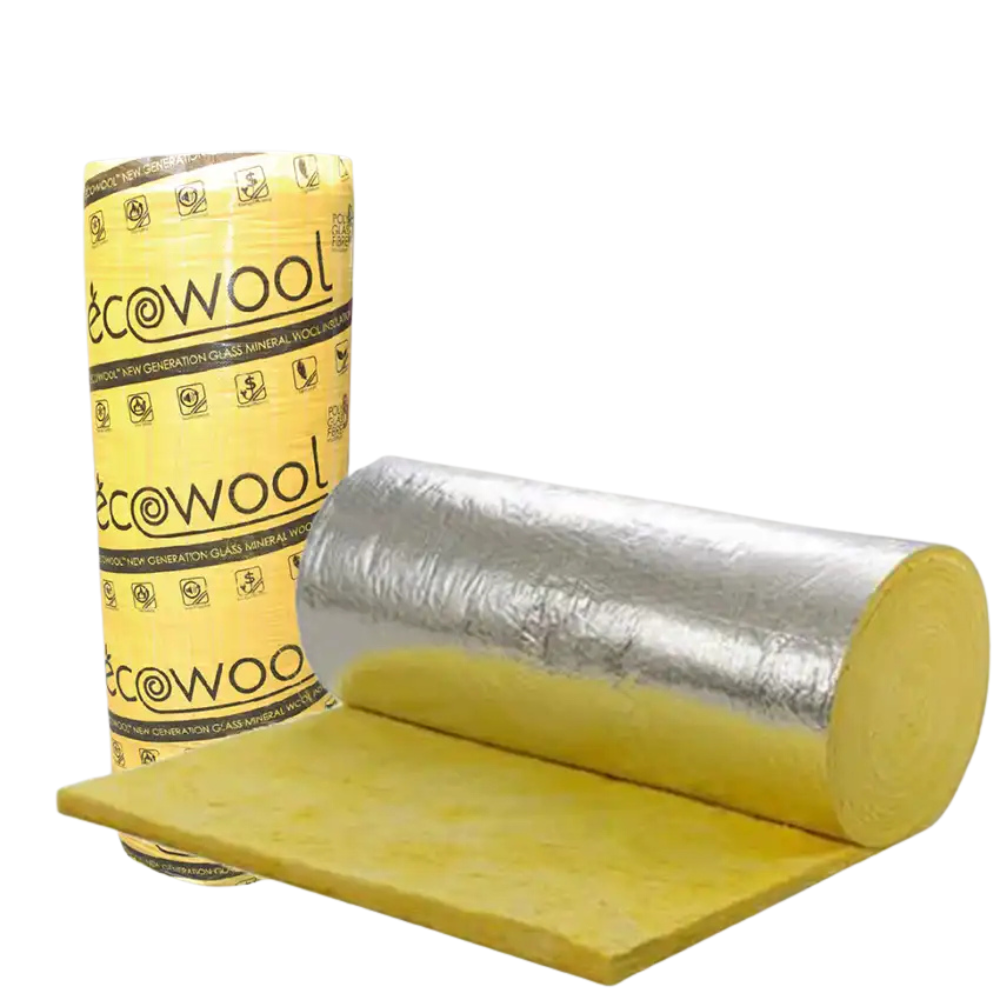
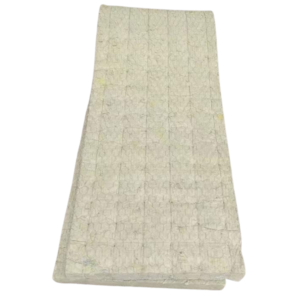
Glass Wool Insulation is a high-performance thermal and acoustic insulation material manufactured from specially processed glass wool fibers. It is available in rolls and semi-rigid boards (slabs) with various densities to suit different insulation requirements.
The product is produced through advanced processing methods such as polishing, spraying, and bonding, resulting in a lightweight yet durable insulation solution. With an average fiber diameter of approximately 7 microns (μm), Glass Wool Insulation provides excellent thermal efficiency in an economical and effective manner.
Designed with flexibility and toughness, it can be easily applied to irregular or complex surfaces, helping to reduce energy loss, improve indoor comfort, and significantly lower operating costs.
The slabs are non-combustible and comply with ASTM C612 Type IA & IB, making them suitable for demanding construction environments.
Key Features & Benefits
-
High-Performance Insulation Slabs for modern building applications
-
Excellent Thermal Insulation
-
Thermal conductivity (λ): 0.035 W/m·K at 25°C
-
-
Superior Acoustic Performance
-
High sound absorption and effective noise reduction
-
-
Fire Safety
-
Non-combustible base fibers
-
Tested according to BS 476: Part 4 and ASTM E136
-
-
Lightweight & Easy to Install
-
Dimensioned to suit stud spacing of 600 mm centres
-
-
Ideal for Industrial Noise Control
-
Suitable for generator rooms, pump rooms, and mechanical areas
-
-
Indoor Air Quality Friendly
-
Low-emission material
-
-
Durable & Hygienic
-
Odourless, rot-proof, non-hygroscopic
-
Does not support vermin, fungi, mould, or bacteria growth
-
-
Environmentally Responsible
-
Zero Ozone Depletion Potential (ODP)
-
Zero Global Warming Potential (GWP)
-
Applications
Glass Wool Insulation is ideal for:
-
Thermal insulation
-
Acoustic insulation
-
Fire protection
-
Residential, commercial, and industrial construction projects
Service Temperature
To ensure safe and effective performance, Glass Wool Insulation should be used within its recommended temperature range.
The material maintains its insulation properties and structural integrity when applied within the specified operating temperatures suitable for standard building and industrial insulation applications.
Reviews
There are no reviews yet.